


Vascular Surgery
The Department of Vascular and Endovascular Surgery at Bharati Hospital is one of a small number of centres in India that offers truly comprehensive vascular care — covering arterial, venous, and lymphatic conditions under one specialised team. Whether the answer is a minimally invasive procedure, a complex open surgery, or a combination of both, the expertise to deliver it is right here.
SUPER SPECIALITY
- Fetal Medicine
- Kidney Transplant
- Organ Donation
- Pain Clinic
- Breast Clinic
- Bariatric Surgery
- Cardiology
- Gastroenterology
- Neonatology
- Nephrology
- Sleep Medicine
- Neurology
- Neuro Surgery
- Oncology
- Paediatric Surgery
- Bone Marrow Transplant
- Plastic Surgery
- Reproductive Medicine and Surgery (IVF)
- Rheumatology
- Spine Surgery
- Diabetes Clinic
- Urology
- Eye Bank
- Hematology
- Voice, Airway & Swallowing Clinic
- Vascular Surgery
- General Surgery
- CVTS (Cardiovascular And Thoracic Surgery Department )
- Vascular Surgery
OVERVIEW
Vascular disease is more common than most people realise — and more serious than it often appears. Varicose veins may seem like a cosmetic concern, but they can lead to ulcers and deep vein thrombosis if left untreated. A blocked artery in the leg can quietly progress until a limb is no longer salvageable. An aortic aneurysm can go completely undetected until it becomes a life-threatening emergency.
Our vascular surgeons are trained across the full range of vascular disease management — minimally invasive endovascular and interventional techniques, complex open vascular reconstruction, and hybrid procedures that combine both approaches. Treatment is chosen based on what is genuinely best for each patient, not on what is most available.
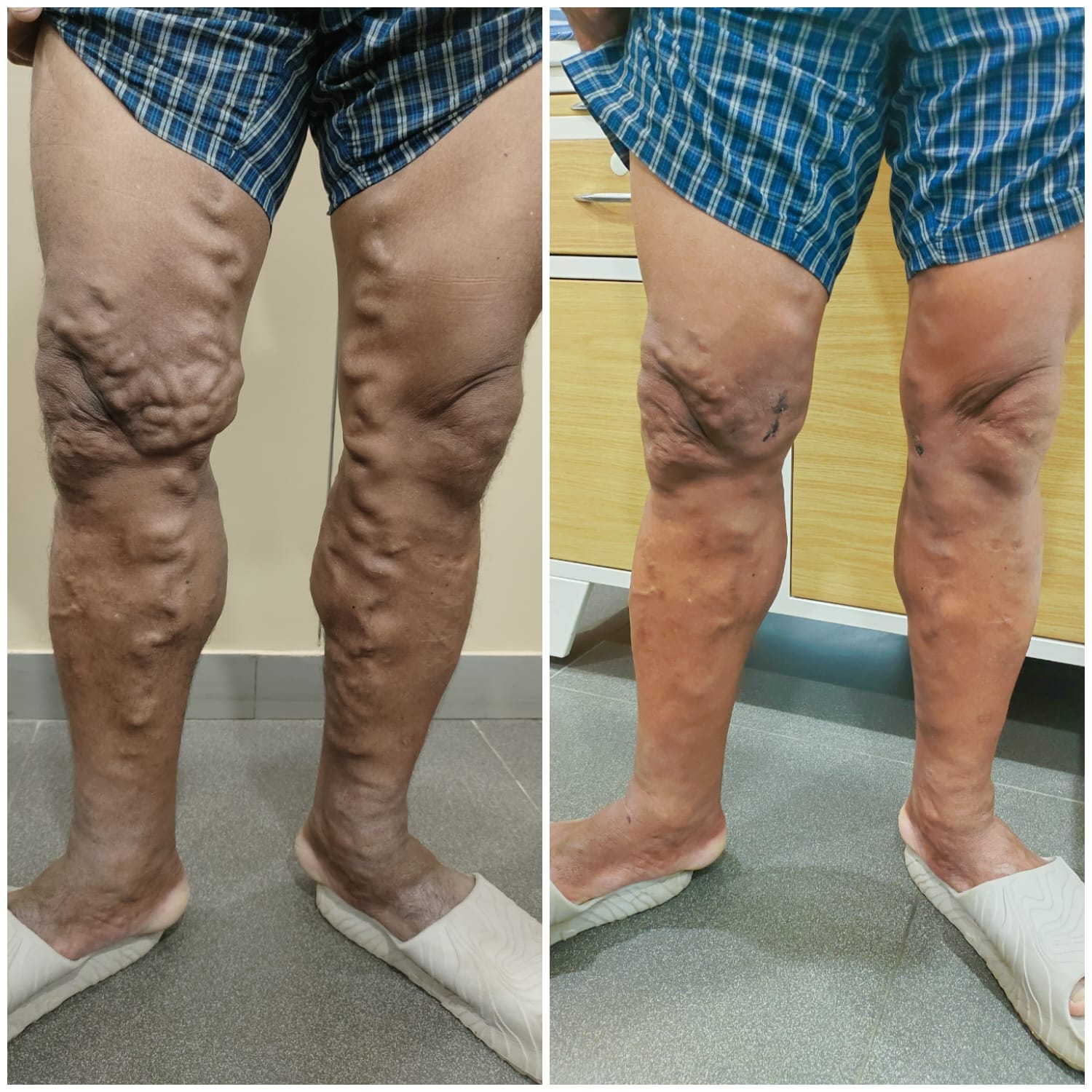
Scope of Services
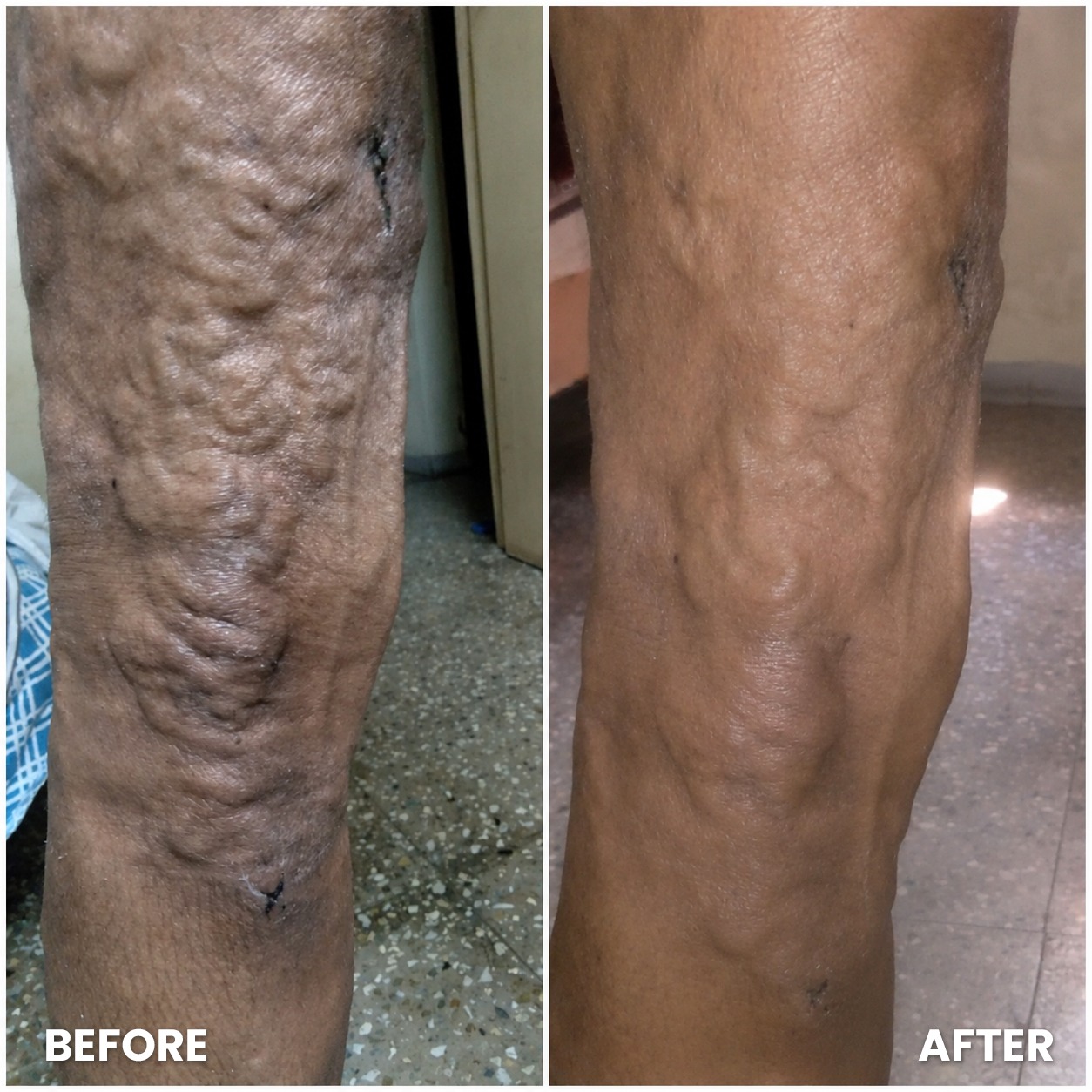
- Minimally invasive treatment of varicose veins — including Laser ablation, Radiofrequency Ablation (RFA), and SuperGlue (cyanoacrylate) techniques, offering effective results with minimal downtime and no large incisions
- Management of Deep Vein Thrombosis (DVT) — both interventional approaches (catheter-directed thrombolysis, mechanical thrombectomy) and conservative medical management depending on the extent and acuity of the clot
- Arteriovenous malformation — assessment and treatment of abnormal connections between arteries and veins
- Vascular bypass surgery — restoring blood flow to limbs in patients with severe arterial blockage
- Peripheral angiography — imaging the arterial system to precisely locate blockages and guide treatment
- Angioplasty and stenting — opening narrowed or blocked arteries using balloon dilation and stent placement, avoiding open surgery where possible
- Carotid endarterectomy and carotid stenting — surgical or endovascular treatment of carotid artery disease to reduce the risk of stroke
- Aortic aneurysm surgery — both EVAR (Endovascular Aortic Repair, a keyhole technique) and open surgical repair for aneurysms of the aorta
- AV (Arteriovenous) fistula creation — the gold standard vascular access for patients on long-term haemodialysis, surgically connecting an artery and vein to create a durable, high-flow access point
- Permacath placement — tunnelled central venous catheter insertion for patients who need dialysis access urgently or are not suitable for fistula creation
- Assessment and treatment of diabetic foot complications — including non-healing ulcers, infection, and critically reduced blood flow
- Revascularisation procedures (bypass or angioplasty) to restore circulation and support wound healing
- Multidisciplinary coordination with endocrinology, orthopaedics, and wound care teams for comprehensive limb salvage
Technology & Facilities
- Dedicated vascular surgery operating theatres equipped for both open and endovascular procedures
- Hybrid operating capability — allowing fluoroscopy-guided endovascular work and open surgery in the same setting when a combined approach is needed
- Vascular access to angiography suites for diagnostic and interventional arterial work
- Doppler ultrasound for non-invasive vascular assessment — peripheral arterial disease, venous mapping, DVT diagnosis, and dialysis access monitoring
- Laser and radiofrequency ablation equipment for minimally invasive varicose vein treatment
- Endovascular tools and stent grafts for aortic, carotid, and peripheral interventions
FAQs
Endovascular surgery is performed from inside the blood vessel — using catheters, guidewires, and specialised devices inserted through a small puncture, usually in the groin or wrist. It avoids large incisions, typically means a shorter recovery, and is suitable for many arterial and venous conditions. Open surgery involves a direct incision to access and repair the blood vessel. Our surgeons are trained in both and will recommend the approach — or a combination of both — that gives the best outcome for each individual case.
We offer three minimally invasive options — laser ablation, radiofrequency ablation (RFA), and SuperGlue (cyanoacrylate) closure. All three seal or destroy the affected vein from the inside, without the need for traditional stripping surgery. They are performed as day procedures, require only local anaesthesia, and allow patients to walk out and return to normal activity very quickly. The most suitable option depends on the size, location, and extent of the veins involved.
Ideally before you start dialysis, if possible. AV fistula creation — the preferred long-term dialysis access — needs time to mature before it can be used, typically 6 to 8 weeks. Seeing a vascular surgeon early allows the fistula to be planned and created in advance, so it is ready when dialysis begins. If you are already on dialysis via a temporary catheter, a vascular surgeon can assess your vessels and create a more durable access option.
An aortic aneurysm is an abnormal bulge or ballooning of the aorta — the body’s main artery. Small aneurysms are monitored with regular imaging. Larger ones, or those growing quickly, need repair to prevent rupture. We offer both EVAR (Endovascular Aortic Repair — a keyhole technique using a stent graft inserted through the groin) and open surgical repair, with the choice depending on the aneurysm’s anatomy and the patient’s overall fitness.
The carotid arteries supply blood to the brain. When they become narrowed by plaque buildup, the risk of stroke increases significantly — clots or debris can break off and travel to the brain. Treatment — either carotid endarterectomy (surgical plaque removal) or carotid stenting (a catheter-based procedure) — reduces that risk substantially. Many patients with carotid disease have no symptoms at all, which is why it is often picked up incidentally on imaging.
Diabetic foot is managed as a team effort here. The vascular surgery team assesses and treats the reduced blood supply that prevents wounds from healing — using angioplasty, stenting, or bypass surgery to restore circulation. This is coordinated with endocrinology for blood sugar control, orthopaedics for offloading and bone involvement, and wound care specialists for dressing and infection management. The goal in every case is to heal the wound and preserve the limb.
Deep Vein Thrombosis is a blood clot in a deep vein — most commonly in the leg. Many cases are managed with blood thinners alone. However, extensive or high-risk clots — particularly those involving the iliac or femoral veins — may benefit from interventional treatment such as catheter-directed thrombolysis or mechanical thrombectomy to remove the clot directly and reduce the risk of long-term vein damage (post-thrombotic syndrome).
